As an Amazon Associate this site earns from qualifying purchases.
If you are shopping for a cuisinart ice cream maker for keto allulose recipes, the short answer is this: any current Cuisinart freezer-bowl model (1.5 quart ICE-21 family) or the self-refrigerating compressor model (ICE-100) will churn allulose-sweetened bases beautifully, but the compressor unit produces the softest, most scoopable keto ice cream because allulose lowers freezing point and benefits from longer, colder churning. For occasional batches, the budget freezer-bowl works fine when you pre-chill the base overnight. For weekly keto desserts, a compressor model is worth the upgrade. This guide walks through why allulose behaves differently from sugar, which Cuisinart features matter for keto, and how to dial in a creamy, low-carb base every time.
Why allulose changes the ice cream game for keto bakers
Allulose is a rare sugar that delivers about 70% the sweetness of sucrose with effectively zero net carbs and a glycemic impact close to zero. Unlike erythritol, allulose does not recrystallize in the freezer, which is the single biggest reason it has become the gold standard sweetener for homemade keto ice cream. Erythritol-based pints often come out rock-hard and grainy after a night in the freezer. Allulose stays soft, scoopable, and creamy because it actively depresses the freezing point of water in the base, mimicking how sucrose behaves in a traditional custard.
That same freezing-point depression, however, means an allulose base resists hardening in a churn bowl. If your machine cannot maintain a low, steady temperature for 25 to 40 minutes, you will end up with a thick milkshake instead of soft-serve. This is the exact problem a quality cuisinart ice cream maker for keto allulose work solves: consistent cold contact long enough for the fat and sugar alcohols to set up.
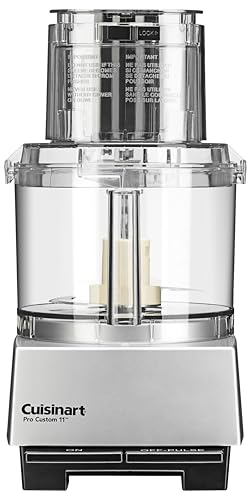
- Powerful Food Processor: This must-have Cuisinart Food Processor delivers reliable performance with durable design for everyday meal prep. This dishwasher safe electric food
- 11-Cup Food Processor: Our 11-cup food processor offers the perfect size for meal prep, whether in everyday eating or entertaining. This spacious food processor allows you to
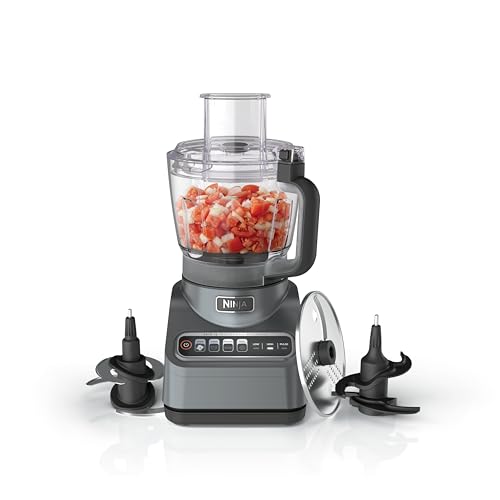
- POWERFUL PERFORMANCE: Equipped with a 1000-peak-watt motor, this Ninja food processor effortlessly handles tough ingredients, ensuring smooth and consistent results every time
- AUTO-IQ TECHNOLOGY: Features 4 Auto-iQ intelligent preset programs that take the guesswork out of food prep, providing one-touch control for chopping, slicing, pureeing, and dough
Comparison: freezer-bowl vs. compressor for allulose recipes
| Feature | ICE-21 / ICE-70 (freezer bowl) | ICE-100 (compressor) |
|---|---|---|
| Pre-freeze time | 16-24 hours | None |
| Batch capacity | 1.5 - 2 qt | 1.5 qt |
| Back-to-back batches | No (single bowl) | Yes |
| Allulose firmness in-bowl | Soft-serve only | Firm soft-serve |
| Dedicated gelato paddle | No | Yes |
| Typical churn time (1 qt keto base) | 20-25 min | 40-60 min |
| Footprint | Compact | Large |
| Best for | Occasional keto desserts | Weekly low-carb meal prep |
How Cuisinart's lineup stacks up for keto use
Cuisinart sells two architectures that matter for low-carb dessert makers: pre-frozen insulated bowl machines and self-refrigerating compressor machines. Each handles allulose differently, and the right pick depends on how often you plan to churn.
Freezer-bowl models (ICE-21, ICE-30BC, ICE-70)
These rely on a double-walled bowl filled with a non-toxic cooling liquid that you freeze solid for 16 to 24 hours before use. They are inexpensive, compact, and quiet. For an allulose base, the trick is to pre-chill the dairy mixture in the refrigerator for at least 4 hours (overnight is better) and to make sure the bowl has been in the back of a deep freezer, not a refrigerator-freezer combo door. With a properly frozen bowl, a 1-quart keto batch finishes in 20 to 25 minutes and reaches a soft-serve consistency. Plan to harden the pint in the freezer for 2 to 3 hours before scooping.
Limitations: the bowl only holds enough cold for one batch. Back-to-back churning is not possible unless you own two bowls. Allulose bases will not get as firm in-machine as a sugar base, so do not over-churn waiting for stiffness that will not arrive.
Compressor model (ICE-100)
The ICE-100 has a built-in compressor like a mini refrigerator, so no pre-freezing is required and you can run multiple batches in a row. For keto cooks running weekly meal prep or testing recipe variations, this is the clear winner. The colder, steadier cooling overcomes allulose's freezing-point depression, producing a denser, more set base in the machine. It also has dedicated gelato and ice cream paddles, which matters because keto bases often have higher fat than standard recipes and benefit from the gelato paddle's slower, more thorough fold.
Drawbacks: it is larger, heavier, and significantly more expensive than freezer-bowl models. If counter space is tight, see our guide on how to organize countertop appliances before committing.
Features that actually matter for a keto allulose workflow
Marketing copy on ice cream makers focuses on capacity and color. For low-carb cooking with rare sugars, the features that move the needle are different.
Paddle design
Higher-fat keto bases (heavy cream, egg yolks, MCT oil) require a paddle that incorporates air without splashing fat onto the bowl walls where it can re-freeze and stick. Cuisinart's mixing paddles are tuned for dairy and handle keto fat percentages well, but the ICE-100's gelato paddle is the standout for dense, ultra-creamy results.
Timer and auto-shutoff
Allulose bases need more churn time than sugar bases. A machine without a timer means you must babysit it. The ICE-70 and ICE-100 include timers up to 60 minutes, which lets you walk away. The basic ICE-21 has no timer; you set it and watch.
Lockable lid and clear ingredient port
Halfway through a keto churn is when you fold in chopped sugar-free chocolate, toasted pecans, or a swirl of homemade allulose caramel. A wide, lockable ingredient spout matters more for low-carb cooks who tend to add nuts, seeds, and bark-style mix-ins than for traditional ice cream makers.
Bowl material and capacity
A 1.5-quart bowl is the sweet spot for a household of two to four. The 2-quart ICE-30BC sounds appealing but is overkill for keto bakers who typically batch one pint at a time to control portions and prevent freezer-burn on a pint sitting too long.
Dialing in the allulose recipe for any Cuisinart
The hardware is only half the answer. Recipe formulation makes or breaks low-carb ice cream regardless of which machine you choose.
- Use a base of 70-80% heavy cream, 20-30% unsweetened almond or coconut milk. Lower-fat bases freeze too hard even with allulose.
- Sweeten with 3/4 cup allulose per quart of base. Allulose is less sweet than sugar, so a small bump in volume matters. You can add 1-2 drops of liquid stevia or a teaspoon of monk fruit to round out the sweetness without raising freezing point further.
- Add 1 tablespoon of vodka or 1/2 teaspoon of xanthan gum. Either one improves long-term scoopability by interfering with ice crystal formation.
- Cook a custard base when possible. Egg yolks add lecithin, which emulsifies the fat and keeps the pint smooth after a week in the freezer.
- Chill the base to 40 F or colder before pouring. A warm base wastes bowl cold and produces a coarse texture.
Storage tips for keto ice cream
Allulose pints stay scoopable longer than sugar pints, but only if you store them correctly. Transfer finished ice cream into a shallow, wide container rather than a tall one; less air exposure on top means fewer ice crystals. Press a layer of parchment directly onto the surface before sealing the lid. Keep the container in the back of the freezer, not the door. With these steps, a properly churned allulose batch will scoop straight from the freezer at 0 F up to two weeks later.
Who should skip the Cuisinart and consider alternatives
If you only want one or two pints a year, even the cheapest Cuisinart freezer bowl is overkill, and the no-churn freezer method (whipped heavy cream folded with allulose syrup and frozen flat) will satisfy. If you batch-make 4+ pints per week for a large household or business, a Cuisinart will work but a commercial-grade compressor unit may justify the leap. Most home keto cooks land squarely in Cuisinart's wheelhouse.
For broader context on choosing between similar countertop appliance categories, our Cuisinart vs KitchenAid stand mixer comparison covers how Cuisinart's engineering philosophy translates across product lines, which is useful background when committing to a brand for daily kitchen use.
Frequently Asked Questions
Can I use the Cuisinart ICE-21 with an allulose-only recipe?
Yes. The ICE-21 handles allulose bases as long as the freezer bowl has been frozen solid for a minimum of 16 hours (24 is safer) and the dairy base is chilled below 40 F before pouring. Expect soft-serve consistency in the bowl and a 2-3 hour hardening period in the freezer before scooping. Do not over-churn waiting for stiffness; allulose will not firm up in the bowl the way sucrose does.
How much allulose should I use per quart of keto ice cream base?
Start at 3/4 cup allulose per quart of base. Allulose is roughly 70% as sweet as sugar by volume, so a slight bump is needed. Going much higher than 1 cup per quart can prevent the ice cream from setting at all because of cumulative freezing-point depression. If you want extra sweetness, add a pinch of monk fruit or stevia rather than more allulose.
Will allulose ice cream from a Cuisinart stay soft in the freezer?
That is precisely allulose's advantage. Unlike erythritol-sweetened batches, allulose pints remain scoopable directly from a 0 F freezer for up to two weeks when stored in a shallow container with parchment pressed to the surface. The Cuisinart simply needs to deliver enough cold contact time to set the base initially.
Is the Cuisinart ICE-100 worth the extra cost for keto cooks?
If you make ice cream more than twice a month or like to test multiple flavor variations in one afternoon, yes. The built-in compressor eliminates the pre-freeze step, supports back-to-back batches, and produces a denser, more uniform texture with allulose bases. For monthly or occasional use, a freezer-bowl model gives nearly identical end results once the pint hardens overnight.
Do I need to add stabilizers like xanthan gum to keto ice cream?
Not strictly, but a half teaspoon of xanthan gum per quart noticeably improves long-term mouthfeel and prevents ice crystal growth after the first week in the freezer. Egg yolks in a cooked custard base provide similar emulsification through lecithin. Many keto cooks use both for premium-feel pints.
Can I make sugar-free gelato in a Cuisinart instead of ice cream?
The ICE-100 includes a gelato paddle that folds slower and incorporates less air, producing the denser texture characteristic of gelato. Pair it with an allulose-sweetened, lower-fat base (50% whole milk substitute, 50% heavy cream) and you can produce keto gelato at home. Freezer-bowl models can approximate gelato by churning a thicker base for the full timer cycle, but the texture will not be identical.
What is the biggest mistake people make when churning allulose in a Cuisinart?
Pulling the base out too early because it never reaches the firm soft-serve stage they remember from sugar recipes. Allulose bases finish at a thicker-milkshake stage in the bowl; the final set happens in the freezer. Trust the timer, transfer at 25-30 minutes for freezer-bowl models or 45-60 minutes for the ICE-100, and let the pint harden 2-3 hours before judging the result.
Final recommendation
For most keto households, a 1.5-quart Cuisinart freezer-bowl model is the right starting point. It is affordable, compact, and produces excellent allulose-based ice cream when paired with an overnight bowl freeze and a chilled base. Upgrade to the ICE-100 compressor model if you make ice cream weekly, want back-to-back batches, or prefer the texture a dedicated gelato paddle delivers. Either way, the success of any cuisinart ice cream maker for keto allulose recipe depends as much on base formulation and storage technique as on the hardware itself.
For more on how we evaluate countertop appliances and disclose affiliate relationships, see our editorial policy and affiliate disclosure.
Key Takeaways
- Choosing the right cuisinart ice cream maker for keto allulose means matching the key features to your specific needs and budget
- Read real customer reviews and check the return policy before you commit
- Also covers: cuisinart ice-21 keto allulose recipes
- Also covers: best ice cream maker low carb allulose
- Also covers: cuisinart ice cream maker sugar free keto
- Compare value across models — the priciest option is not always the best fit