As an Amazon Associate this site earns from qualifying purchases.
If your Philips pasta maker extruder keeps clogging when you use semolina flour, the fix is almost always about hydration and grind size, not the machine itself. Pure durum semolina absorbs water more slowly than all-purpose flour, so the dough often looks dry on the outside while still being too wet inside, which creates a sticky plug at the extrusion disc. To prevent philips pasta maker semolina flour clogging, use finely milled semolina (semola rimacinata), blend it 50/50 with 00 flour for your first attempts, hydrate to exactly 32-34% by weight, and let the machine mix for the full 3-minute cycle before extrusion begins. This guide walks through every variable that causes clogs and how to dial them in.
Why semolina flour clogs the Philips extruder
The Philips Pasta Maker (models HR2345, HR2357, HR2358, HR2375, and the 2026 Series 7000) uses an auger that pushes hydrated dough through a brass or plastic extrusion disc. The motor is calibrated around the rheology of soft wheat doughs at roughly 30% hydration. Coarse semolina behaves very differently: the granules are harder, larger, and they absorb water on a delayed curve. During the 3-minute mix cycle, the surface of each granule gets wet quickly, but the core stays dry. When extrusion starts, those half-hydrated particles compress against the disc and form a paste that won’t flow through the small holes of shapes like spaghetti, bucatini, or angel hair.
This is the central reason most home cooks see philips pasta maker semolina flour clogging on their first or second batch. The machine isn’t broken — it’s being asked to extrude a dough that is technically still mixing. Understanding this lets you fix every downstream symptom: the auger stalling, dough backing up at the front cap, ribbons of paste sticking together, and the dreaded “E03” motor protection error on newer units.
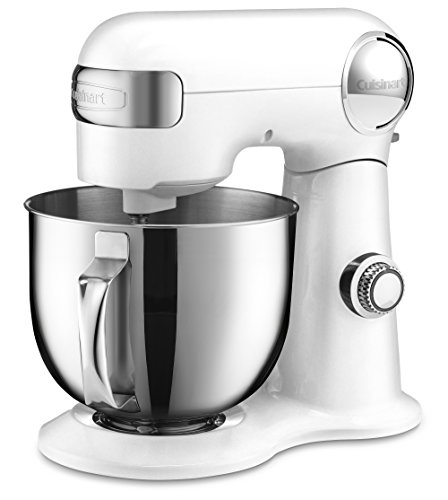
- SUPERIOR FUNCTION: Delivering power, precision and performance, our stand mixer features a 5.5-quart capacity with a 500-watt motor, die-cast metal construction, and 12-speeds
- MUST-HAVE FEATURES: Polished stainless steel bowl, tilt-back head and one power outlet for optional attachments
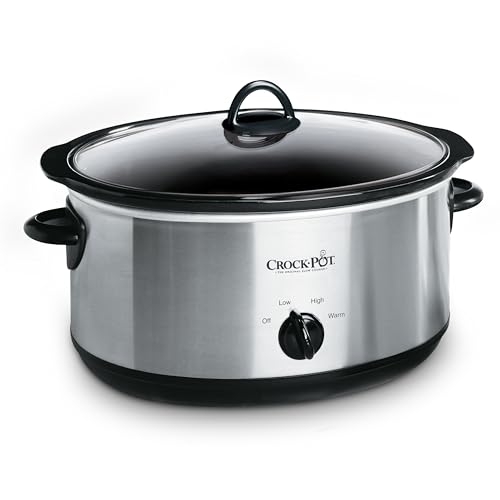
- Generous Capacity: 7-quart
- Cooking Flexibility: High or low slow cooking settings, with convenient warm function for ideal serving temperature
The right semolina for the Philips pasta maker
Not all semolina is the same. In the United States, bags labeled “semolina flour” often contain a fairly coarse grind designed for couscous, gnocchi, or bread dusting. That grind is too rough for the Philips auger and will clog every time. What you want is semola rimacinata di grano duro — twice-milled durum wheat semolina. It feels almost like fine sand but pours through your fingers, and it hydrates in roughly half the time of coarse semolina.
If you can only find coarse semolina, you have two options: blend it heavily with 00 flour, or pulse it in a high-speed blender for 30-45 seconds to reduce the granule size before weighing. The latter is a workaround used by many home pasta makers and dramatically reduces clogging risk on shapes with small extrusion holes.
Recommended flour blends for clog-free extrusion
For your first ten batches on the Philips, use one of these tested blends by weight:
- Beginner blend (lowest clog risk): 60% Italian 00 flour, 40% semola rimacinata. Hydration 32%.
- Intermediate blend (classic flavor): 50% 00 flour, 50% semola rimacinata. Hydration 33%.
- Advanced blend (traditional Southern Italian): 100% semola rimacinata, hydration 34%, with an extra 90 seconds of rest time after the mix cycle. Only attempt after you’ve dialed in the 50/50 blend.
A 100% durum dough is what produces the bronze-die, rough-textured pasta everyone wants, but it is the most demanding load the Philips motor will ever see. Don’t start there.
Hydration: the single biggest variable
The Philips manual recommends 43-44 ml of liquid per 100 g of all-purpose flour. That ratio is wrong for semolina. Durum wheat absorbs less water in the short mix window of an automatic machine, so the same volume produces a sticky paste rather than a workable dough. Drop the hydration:
- 50/50 blend: 33-34 ml liquid per 100 g flour
- 70% semolina blend: 33 ml per 100 g
- 100% semolina: 34-35 ml per 100 g, and use warm water (38-40°C / 100-104°F) to accelerate absorption
Measure liquids by weight, not volume. A digital scale that reads to 1 g is non-negotiable for repeatable results. If your dough looks like sand after the mix cycle, add water 5 g at a time and run a 30-second remix. If it forms a single sticky ball that clings to the auger, you have too much water — stop the machine, add 10 g of semolina, and remix.
Egg, oil, and salt: do they help or hurt?
Traditional Southern Italian semolina pasta uses only flour and water. Eggs are a Northern Italian convention paired with 00 flour. In the Philips, adding one whole egg per 250 g of flour and reducing water accordingly produces a dough that is more forgiving and clogs less, because the egg proteins lubricate the auger. If you’re fighting persistent clogs, switch to an egg-enriched recipe while you troubleshoot, then move back to pure water once you have the hydration right.
A teaspoon of olive oil per 250 g of flour is sometimes recommended on forums. Skip it. Oil coats the semolina granules and slows hydration further, which is the opposite of what you want. Salt is fine — dissolve it in the water before pouring — but it does not affect clogging meaningfully.
Step-by-step: a clog-free extrusion routine
- Weigh the flour blend into the mixing chamber. For most Philips models, 250 g is the ideal load — not the maximum. Overloading is the second-most-common cause of clogs.
- Install the correct disc. For your first semolina batches, choose a wide shape: penne, rigatoni, or fettuccine. Avoid spaghetti, angel hair, and bucatini until you’re confident with the dough.
- Start the mix cycle. Slowly pour the measured warm water through the lid slot over 30-40 seconds. Don’t dump it.
- Let the mix run the full 3 minutes. Do not skip to extrude early. Semolina needs every second of that mixing window.
- Pause for 60-90 seconds before extrusion (newer models allow this; on older models, simply turn the unit off after the mix and back on after a minute). This autolyse step lets the semolina core finish absorbing water.
- Begin extrusion. The first 10 cm will look ugly — that’s normal. Cut it off and toss it back into the chamber.
- Watch the auger sound. A healthy extrusion sounds steady. A rising pitch or a stutter means clog is imminent — stop, open the chamber, add 5 g of water, and remix for 30 seconds.
If a clog still happens: emergency rescue
If the machine stalls mid-extrusion, do not force it. The Philips motor has a thermal cutoff that will engage after 30-45 seconds of resistance, and repeated trips can damage the gearbox over time. Instead:
- Turn the machine off and unplug it.
- Wait 5 minutes for the motor to cool.
- Remove the front cap and extrusion disc. The dough behind the disc is almost certainly under-hydrated.
- Scoop the dough back into the mixing chamber, add 8-10 g of warm water, and run a fresh 90-second mix cycle.
- Reinstall a wider-hole disc (penne instead of spaghetti) and try again.
Never run hot water through the auger while the machine is assembled. Disassemble fully, soak parts in warm water, and let dried semolina dough soften for 10-15 minutes before brushing it out. The included cleaning tool is designed for this — use it.
Disc choice and clog risk
Some Philips discs are inherently more clog-prone with semolina. Ranked from easiest to hardest to extrude with a 50% semolina blend:
- Easy: Pappardelle, lasagne sheets, fettuccine, tagliatelle
- Moderate: Penne, rigatoni, macaroni, ditalini
- Demanding: Spaghetti, linguine, fusilli
- Expert only: Angel hair (capellini), bucatini, thin spaghettini
Brass discs (sold separately for most models) extrude semolina more smoothly than the included plastic discs because they create less friction on the granule edges. They also produce that classic rough-textured surface that holds sauce. If you’re serious about semolina pasta, brass is worth the upgrade.
Environmental factors most people miss
Two often-overlooked variables affect clogging significantly:
- Ambient humidity. In dry winter kitchens (below 35% RH), flour holds less ambient moisture and your dough effectively starts drier. Add 1-2 g of water per 100 g of flour.
- Flour temperature. Flour stored in a cold pantry or refrigerator hydrates slowly. Let semolina sit at room temperature for at least 30 minutes before use, and use water at 38-40°C to compensate if the flour is still cool.
When the problem isn’t the dough
Occasionally, clogging is mechanical. Inspect:
- The extrusion disc. Old dough trapped in the holes restricts flow. Soak overnight in warm water and clear each hole with the cleaning tool.
- The auger seal. A worn O-ring lets dough creep backward, which feels exactly like a clog. Replacement seals are inexpensive.
- The front cap threads. If the cap isn’t fully tightened, pressure escapes and the dough won’t extrude cleanly. Hand-tight is not enough — use the locking handle.
If you want a broader look at how the Philips compares to other countertop pasta and dough machines, our Breville Smart Oven review for 2026 and our guide to organizing your countertop appliances can help you decide whether to keep, upgrade, or downsize your setup. For machine maintenance philosophy in general, see our cleaning and maintenance guide — many of the same principles apply.
Quick troubleshooting reference
Save this checklist next to your machine:
- Semolina type: semola rimacinata, not coarse
- Blend: start at 50/50 with 00 flour
- Hydration: 33 ml water per 100 g flour, by weight
- Water temperature: 38-40°C
- Load: 250 g flour, not maxed out
- Mix: full 3 minutes, no shortcuts
- Rest: 60-90 seconds before extrusion
- Disc: wider shapes first, brass if available
- Sound check: steady auger, no rising pitch
Following this routine, the vast majority of philips pasta maker semolina flour clogging issues disappear entirely. The machine is capable of producing genuinely excellent durum pasta — it just needs the dough to meet it halfway. For a fuller picture of how this machine fits alongside other small kitchen tools, our food processor buying tips covers complementary equipment many pasta makers also use for sauces and fillings.
Frequently Asked Questions
Can I use 100% semolina flour in the Philips pasta maker without clogging?
Yes, but only after you’ve mastered a 50/50 blend. Use semola rimacinata (twice-milled), hydrate at 34-35% with warm water, allow a 90-second rest after mixing, and start with wider-hole discs like penne or fettuccine. Expect a learning curve of three to five batches before 100% semolina runs reliably clog-free.
Why does my Philips pasta maker dough look like sand and not extrude?
That sandy texture means the dough is under-hydrated for semolina. The flour granules have absorbed enough water to clump in your hand but not enough to flow through the extrusion disc. Add water 5 g at a time during a fresh 60-second mix until the dough forms small pebble-sized clusters that hold together when pinched.
Should I sift semolina flour before using it in an automatic pasta maker?
Sifting won’t fix clogging on its own, but it does help if your semolina has been sitting in humid storage or contains lumps. The bigger issue is grind size. If your semolina won’t pour like fine sand, blend it for 30-45 seconds in a high-speed blender before weighing — that reduces clog risk far more than sifting.
What hydration percentage works best for semolina pasta dough in the Philips?
Aim for 32-34% hydration by weight. That’s lower than the manual’s default 43-44% recommendation, which assumes all-purpose flour. Durum wheat absorbs water more slowly during the short mix cycle, so a lower starting hydration prevents the sticky paste that leads to extruder clogs.
Is the Philips Pasta Maker Series 7000 better with semolina than older models?
The 2026 Series 7000 has a more powerful motor and a longer mix cycle option, which both help with semolina. However, the underlying physics of durum hydration are identical, so you still need the right flour, water ratio, and rest time. Older models like the HR2375 produce equally good semolina pasta when the recipe is dialed in.
Can I add eggs to a semolina dough to prevent clogging?
Yes. One whole egg per 250 g of flour, with water reduced to compensate, produces a more forgiving dough because egg proteins lubricate the auger. It’s a useful training-wheels approach while you learn the machine. Once you can extrude a pure-water semolina dough reliably, you can drop the eggs for traditional Southern Italian-style pasta.
How long should I let semolina dough rest before extruding in the Philips?
Sixty to ninety seconds after the mix cycle ends is enough for an automatic machine. This short autolyse lets the cores of the durum granules finish absorbing water, which is the single biggest factor in preventing clogs. Longer rests (over five minutes) start to dry the surface of the dough and can actually make extrusion worse.
For more on our review methodology and affiliate relationships, see our affiliate disclosure.
Key Takeaways
- Choosing the right philips pasta maker semolina flour clogging means matching the key features to your specific needs and budget
- Read real customer reviews and check the return policy before you commit
- Also covers: philips pasta extruder clog fix semolina
- Also covers: philips smart pasta maker semolina hydration
- Also covers: prevent pasta maker die clog
- Compare value across models — the priciest option is not always the best fit